October 1, 2026
Managing a home requires staying ahead of invisible infrastructure issues, especially when it comes to waste management. Homeowners who need local septic repairs must navigate unique structural requirements to keep their properties safe, functional, and compliant with health codes. According to LinkedIn, over 20 million households in rural and suburban areas depend on septic systems. Ignoring minor signs of wear can quickly escalate into hazardous backups and astronomical expenses. Taking a proactive approach to maintenance and connecting with experienced local septic repairs professionals ensures your home remains a healthy environment for years to come.
Analyze the Primary System Components
Every functional setup relies on an interconnected network of hardware working continuously underground. The primary septic tank collects household wastewater, allowing heavy solids to settle at the bottom while lighter grease floats to the top. The surrounding pipes transport this liquid waste from your plumbing fixtures out toward the dedicated treatment area. Understanding how these structural parts interact helps homeowners recognize the early warning signs of mechanical failure before major issues arise.
The drain field acts as the natural filtration site, distributing liquid effluent safely into the surrounding soil. If high volumes of solid waste bypass the initial tank, they can quickly clog the soil pathways within this area. Soil saturation leads to pooling surface water, foul odors, and severe operational failures across the entire system. Regular structural checks on the drain field remain essential for preventing localized environmental contamination.
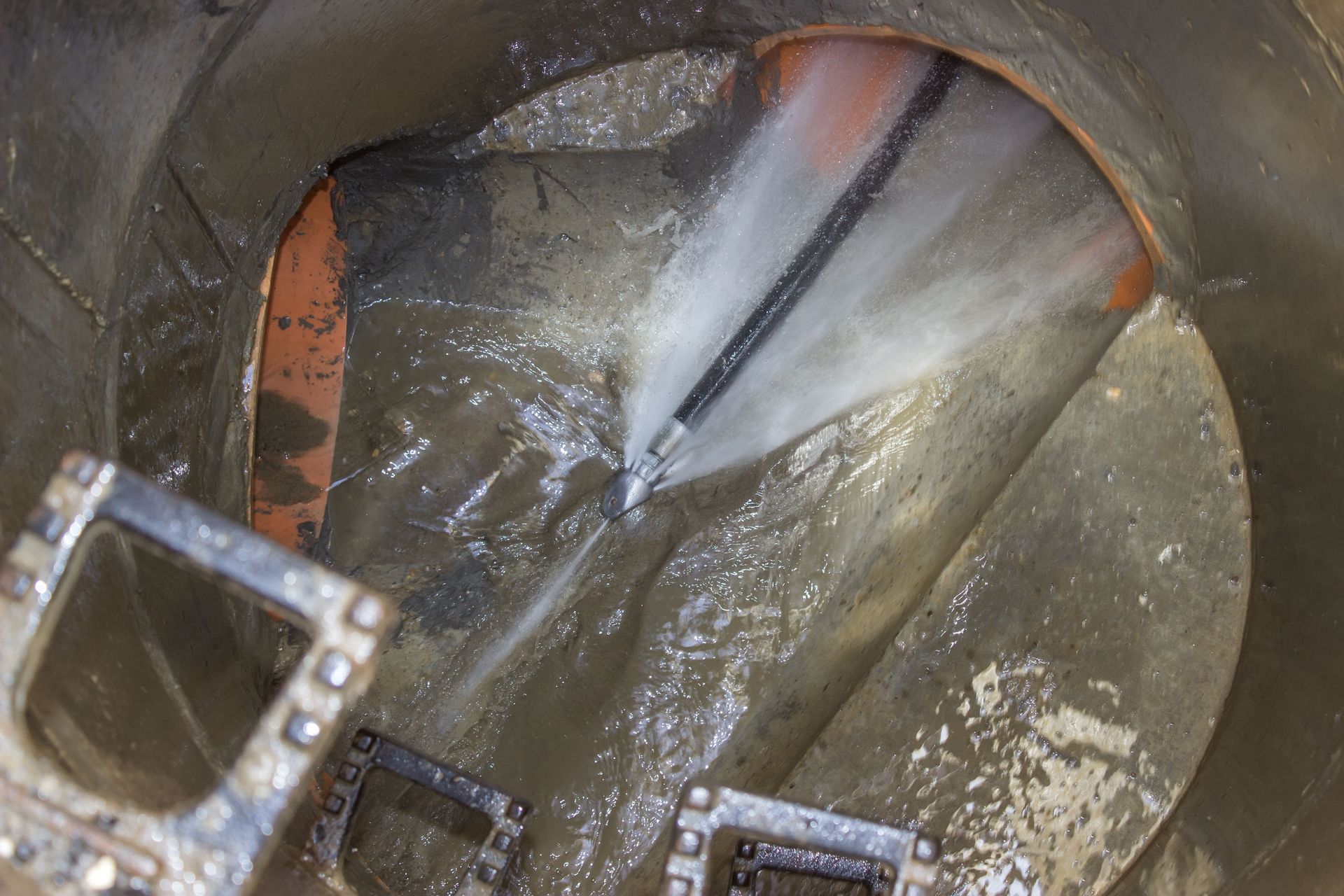
Connecting pipes serve as the vital pathways between your home, the holding tank, and the distribution area. Over time, these lines can suffer from severe blockages, ground shifting, or invasive root intrusion from nearby trees. When pipes fracture, the entire balance of wastewater distribution is disrupted immediately. Scheduling routine evaluations for local septic repairs keeps these critical conduits clear and functioning smoothly.
Evaluate How Wastewater Processing Works
Wastewater management relies on a carefully balanced combination of biological decomposition and natural soil filtration. Inside the main tank, naturally occurring anaerobic bacteria break down organic waste into sludge and liquid effluent. This process requires a stable environment free from harsh chemical disruption to work effectively. Once the liquid reaches a certain level, it flows outward toward the disposal area for final purification.
The secondary stage relies heavily on the natural soil bio-filter to purify the outgoing liquid effluent. Microorganisms within the soil consume remaining pathogens and organic matter as the water percolates downward. If the system becomes overwhelmed by excessive water usage, untreated sewage can force its way to the surface. Understanding this biological process reinforces why homeowners must monitor their daily water consumption habits carefully.
Maintaining proper bacterial balance inside the holding tank requires ongoing attention and thoughtful daily habits. Toxic household cleaners, paints, and non-biodegradable items ruin the bacterial ecosystem necessary to digest solid waste. When these biological processes stop, solid materials accumulate rapidly and cause catastrophic blockages. Protecting this natural treatment cycle remains the key to avoiding frequent, costly service interventions.
Identify Common Types of Systems
Conventional gravity-fed systems remain the most widely installed design across suburban and rural properties today. These traditional setups rely entirely on natural elevation and gravity to move wastewater through the treatment process. They work exceptionally well in areas with deep, highly absorbent soil structures. However, they require consistent monitoring to ensure that gravity lines remain entirely free of debris.
Alternative systems, such as mound configurations or aerobic treatment units, address challenging soil or high groundwater conditions. A mound system uses elevated sand beds to filter effluent when natural soil layers are too shallow or dense. Aerobic units introduce oxygen directly into the treatment tank to accelerate the bacterial breakdown of organic matter. Selecting the correct setup depends heavily on local environmental regulations and specific property geology.
Pressure distribution systems utilize specialized pumps to disperse liquid waste evenly across the designated disposal field. This balanced distribution prevents localized soil saturation and extends the operational lifespan of sloped installation sites. Because these advanced systems rely on electrical pumps and control panels, they require specialized mechanical maintenance. Knowing your specific setup allows you to target local septic repairs effectively whenever mechanical issues occur.
Implement Essential Preventive Maintenance
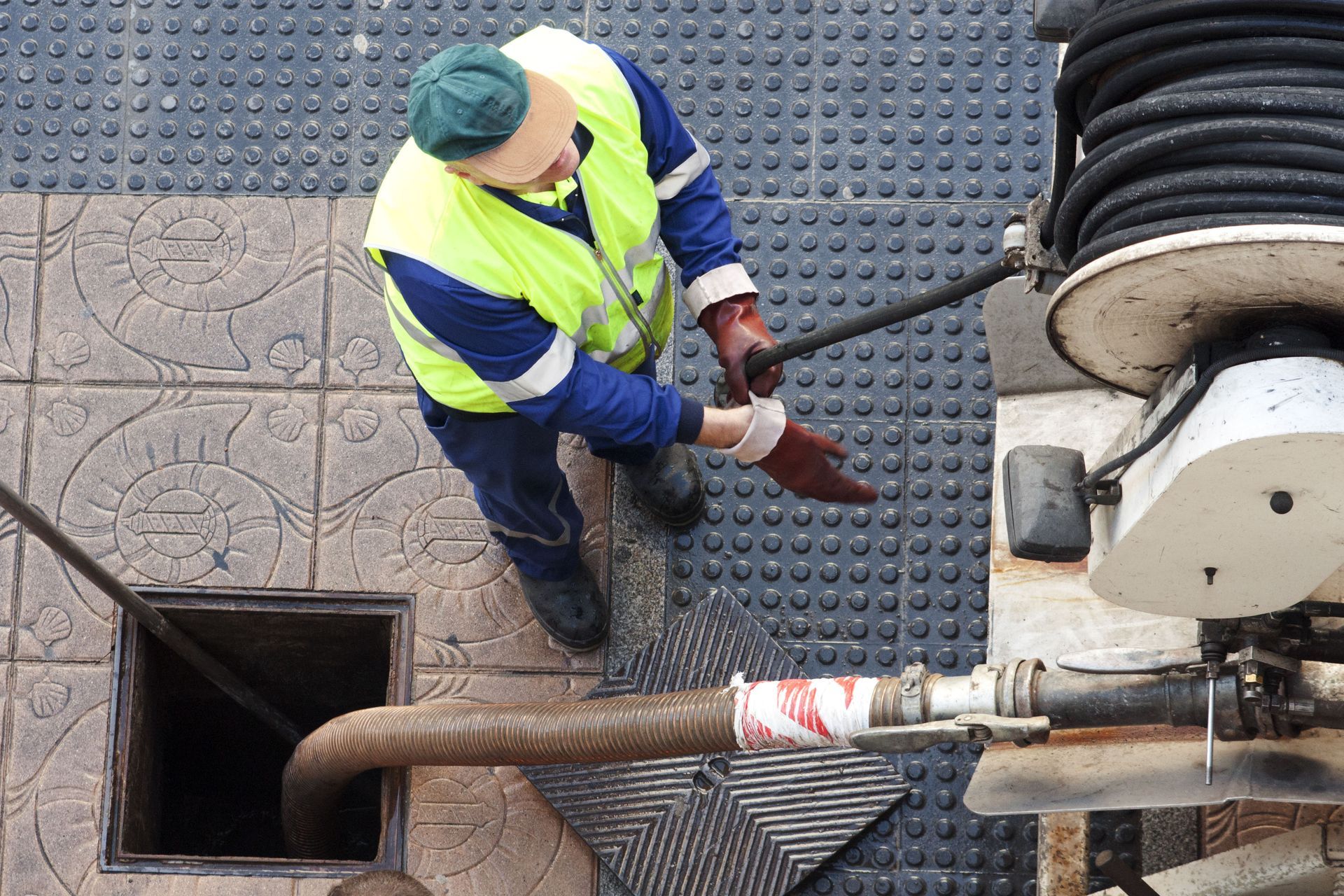
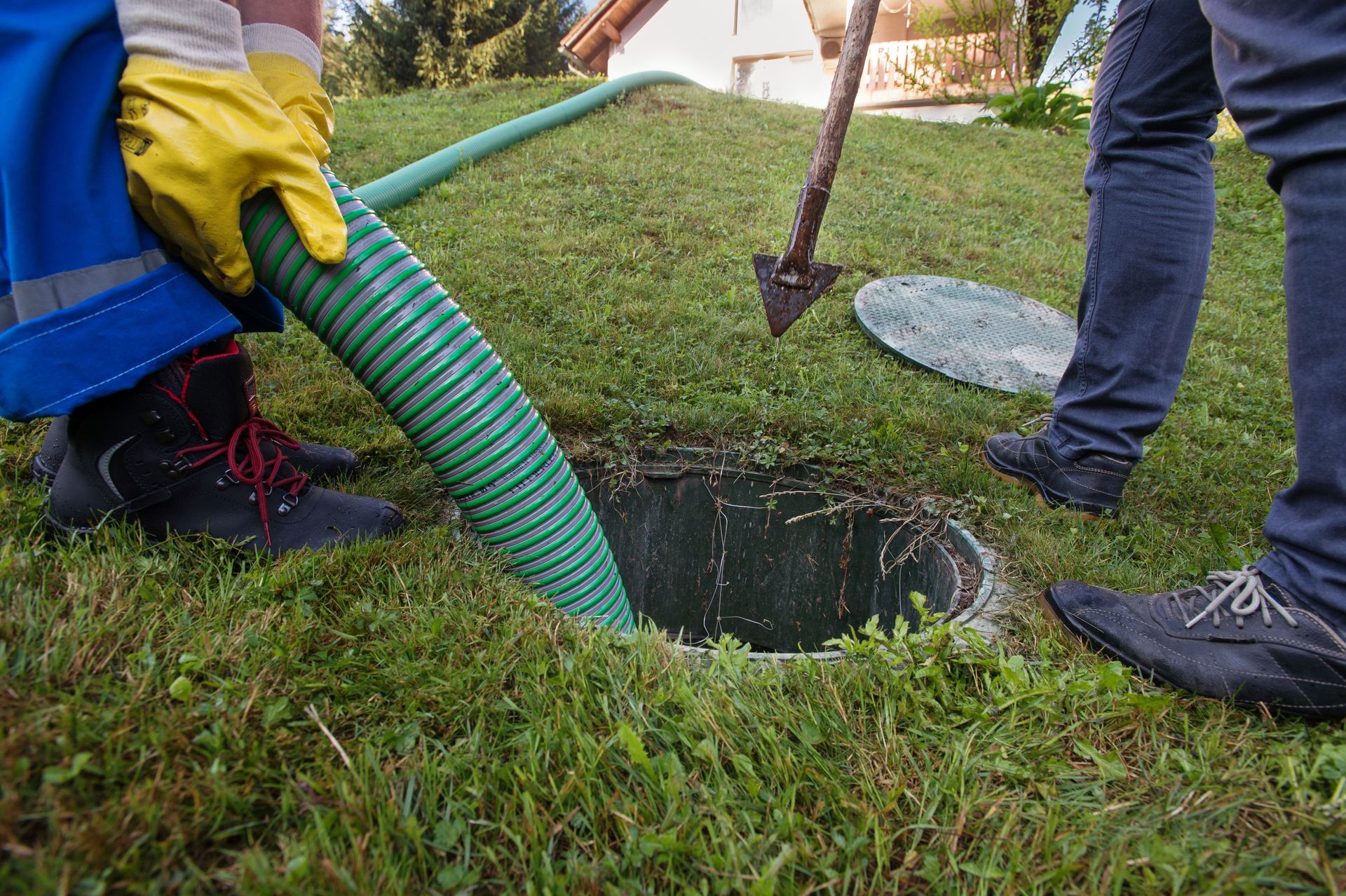
Routine pumping serves as the single most important preventative task for any residential waste setup. Most tanks require professional pumping every three to five years to remove accumulated sludge and scum layers. Allowing solid waste to build up leads directly to system overflows and irreversible drain field failure. Establishing a consistent pumping schedule preserves long-term system health and protects your household budget.
Professional inspections should be scheduled every one to three years to verify structural integrity and balance. Experienced technicians check fluid levels, test mechanical pumps, and inspect baffles for signs of physical deterioration. Catching minor wear early prevents sudden operational emergencies during periods of heavy household water use. Investing in small preventative checks saves thousands of dollars in major reconstruction costs down the line.
Water conservation plays a massive role in extending the operational life of your waste treatment setup. Fixing leaky faucets, installing low-flow fixtures, and staggering laundry loads prevents system overloading. Excessive water volumes flush solid waste directly into the filtration field before bacteria can digest it properly. Sensible water usage ensures that your setup operates within its intended processing capacity every day.
Recognize Early Warnings of Failure
Slow-draining sinks, gurgling pipes, and flushing issues often provide the first warnings of impending failure. These internal plumbing symptoms indicate that wastewater cannot flow freely into the main holding tank. Ignoring these subtle signs typically leads to complete sewage backups inside the home. Prompt attention to unusual drainage behavior keeps minor clogs from turning into absolute disasters.
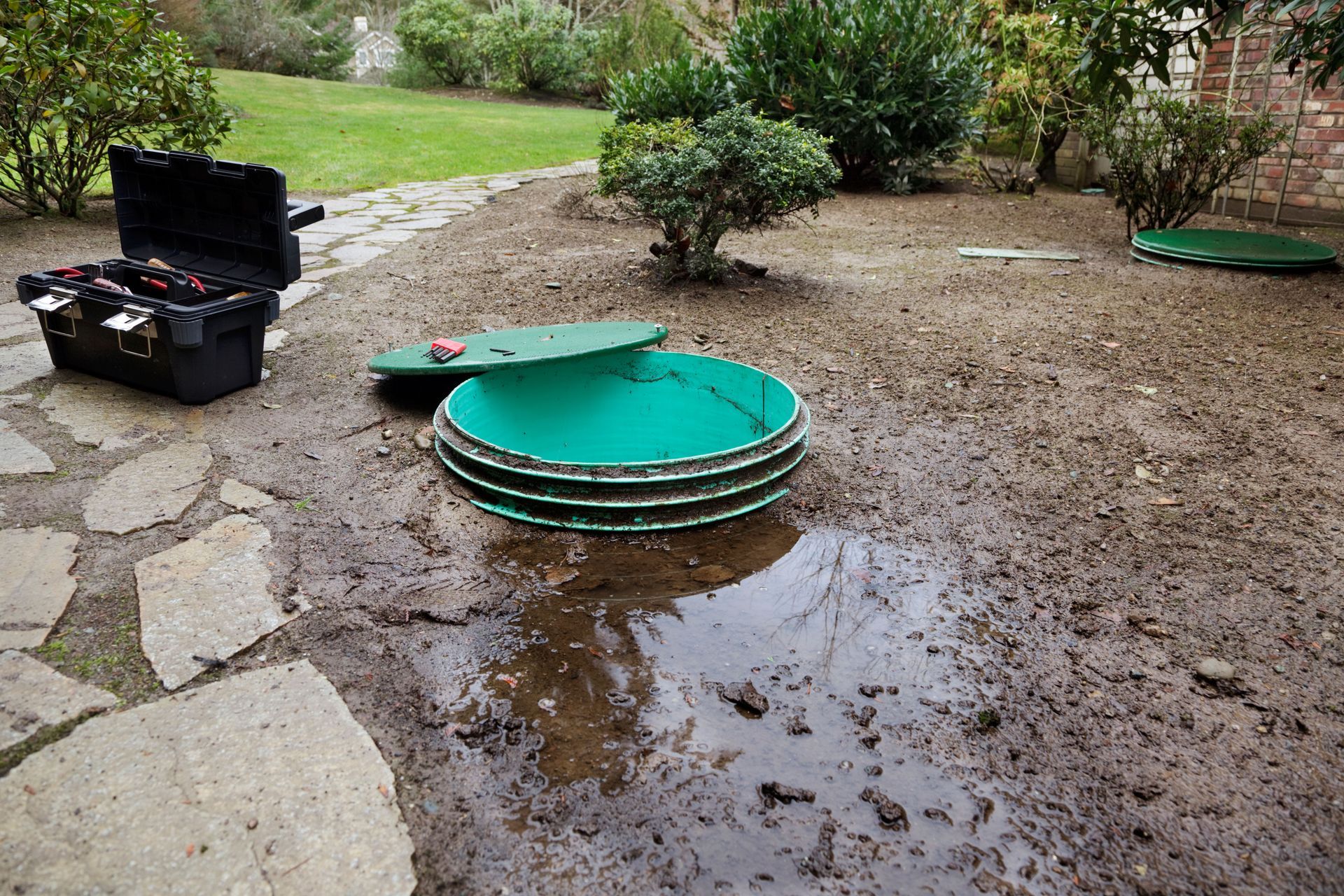
External indicators around your yard also signal serious mechanical or structural problems underground. Overly green, lush patches of grass over the disposal area indicate that untreated wastewater is rising to the surface. Wet, soggy spots or standing pools of foul-smelling liquid clearly signal severe field saturation. Addressing these external signs quickly prevents toxic runoff from entering nearby watersheds or neighboring properties.
Unpleasant sewage odors lingering near the tank or inside the home require immediate professional investigation. Odors suggest broken seals, blocked vent pipes, or a completely overloaded waste holding tank. Exposure to these gases poses health risks to your family and points to underlying system damage. Requesting prompt local septic repairs addresses the root cause of these foul gases safely and effectively.
Plan an Effective Maintenance Budget
Creating a dedicated maintenance fund prevents financial stress when sudden mechanical repairs or routine pumping services are required. Setting aside a small amount each month covers regular inspections, filter cleanings, and scheduled tank pumping easily. Being financially prepared allows you to address subtle warning signs immediately before catastrophic damage occurs. Smart budgeting keeps your system operating smoothly without straining your household finances.
Tracking historical service receipts helps predict future maintenance intervals and anticipated operational expenses over time. Sharing this detailed maintenance history with service technicians allows for tailored recommendations and efficient troubleshooting. Clear financial planning ensures that necessary upgrades are never delayed due to unexpected costs. Maintaining your infrastructure thoughtfully protects your property value and daily comfort.
Partnering with dependable service providers ensures transparent pricing and reliable workmanship on every project. Searching for local septic repairs options gives you access to qualified technicians who understand local soil conditions and environmental regulations thoroughly. Reliable contractors help you establish a practical care routine that maximizes equipment performance and longevity.
Protecting your home and family requires dependable waste management solutions tailored to your property's specific needs. When you need expert help with local septic repairs, routine tank pumping, or complete system installations, trust the experienced team at Aaron-Andrews Septic Tank Service to deliver exceptional results. Their team is available 24/7 with same-day service, competitive pricing, and solid warranties on all work to keep your system running worry-free. Contact us today to schedule your service or consultation with a local professional!