August 25, 2026
Septic systems are essential for many homes, quietly managing wastewater and supporting daily life without much attention. Because they operate underground and out of sight, it can be easy to forget that they require consistent care. One of the most important aspects of maintaining a septic system is regular septic pumping, which helps prevent buildup and keeps the system functioning properly. When this maintenance is ignored, however, homeowners may face a range of hidden costs that extend far beyond simple inconvenience. Over time, even a well-built system can struggle if routine care is not part of a long-term maintenance plan.
Many property owners delay maintenance because their system appears to be working fine. Unfortunately, septic issues often develop gradually and may not show clear warning signs until significant damage has already occurred. Routine septic pumping plays a critical role in preventing these problems by removing accumulated waste and maintaining proper system balance. Without it, systems can become overwhelmed, leading to costly repairs and disruptions that could have been avoided. This delay often results in more complex problems that require extensive time and resources to resolve.
According to Intel Market Research, roughly 25% of households in North America rely on septic systems, highlighting the widespread need for proper maintenance. This statistic emphasizes how common these systems are and why consistent care is essential. Understanding the hidden costs of neglecting maintenance can help homeowners make more informed decisions. Here are six hidden costs of ignoring septic pumping and how each one can impact your property, finances, and overall system performance. Being aware of these risks helps homeowners take proactive steps before problems escalate.
1. Facing Costly System Repairs
Experiencing Tank Overflows
When waste accumulates without regular removal, the septic tank can overflow. This overflow places stress on the system and can lead to significant internal damage. What could have been a routine service quickly becomes an expensive repair project. Overflow situations may also create additional cleanup challenges that increase overall costs.
Damaging Internal Components
Septic systems rely on a balance of components working together efficiently. Excess buildup can damage baffles, pipes, and other critical elements, increasing repair costs and requiring professional intervention. These internal issues can worsen quickly if not addressed in a timely manner.
Increasing Service Frequency
Neglecting maintenance often leads to repeated service calls to address recurring issues. These repeated expenses can quickly exceed the cost of routine septic pumping, making preventative care the more cost-effective option. Frequent service interruptions can also disrupt daily routines and add unnecessary stress.
Creating Long-Term Structural Issues
Continued strain on the system can lead to structural deterioration over time. Addressing these issues becomes more complex and costly as damage progresses. Long-term damage can also reduce the overall efficiency of the entire system.
2. Dealing With Drain Field Failure
Overloading the Drain Field
The drain field is responsible for filtering and dispersing wastewater. Without proper septic pumping, excess solids can clog the system, preventing it from functioning correctly and leading to failure. This overload can eventually render the system ineffective.
Reducing Soil Absorption Capacity
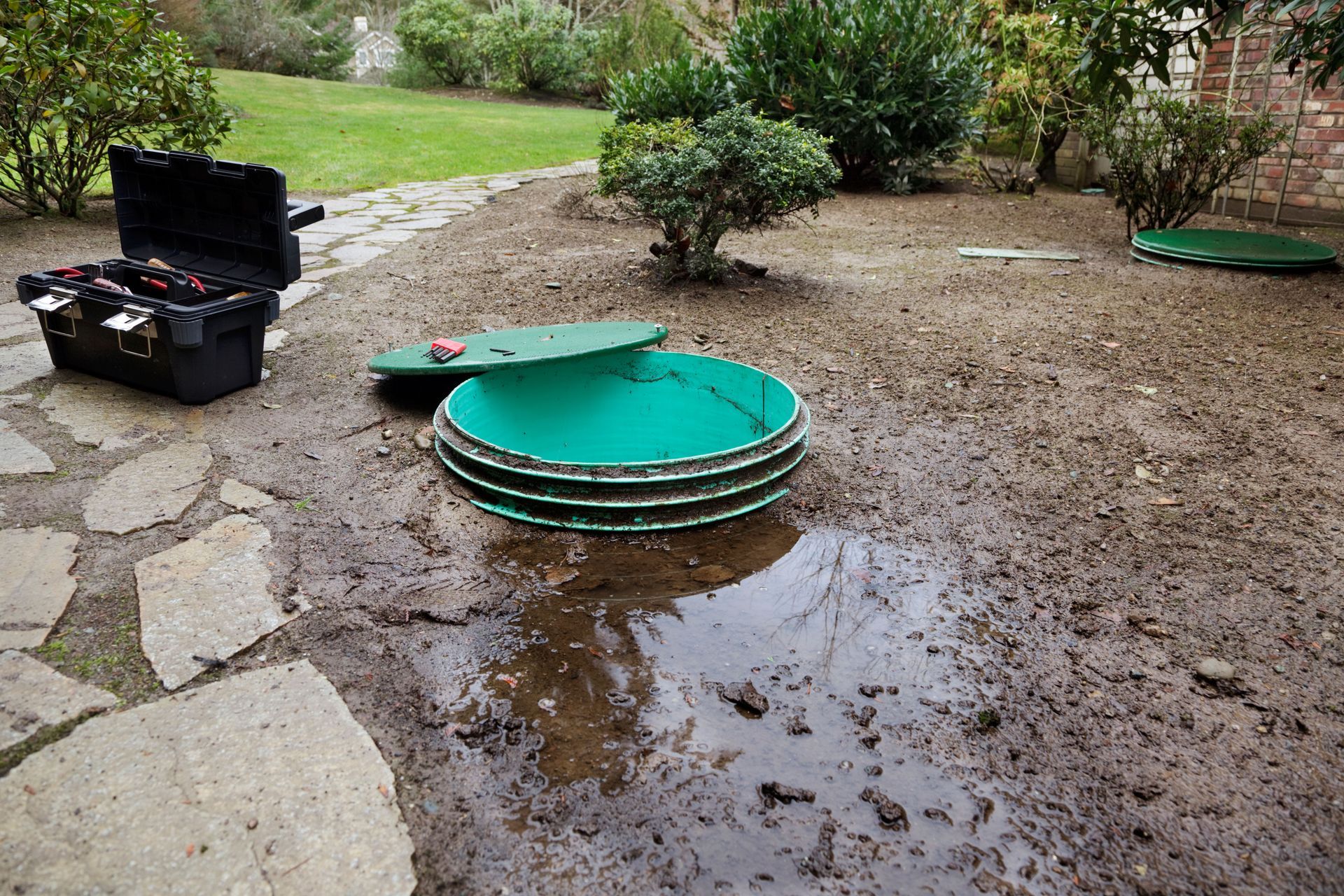
Clogged systems reduce the soil’s ability to absorb and filter water effectively. This can result in pooling water and long-term environmental impact on your property. Reduced absorption can also affect nearby landscaping and vegetation.
Requiring Extensive Replacement
Drain field failure often requires complete replacement, which is one of the most expensive septic system repairs. Regular maintenance helps avoid this significant financial burden. Replacement projects can also take considerable time to complete.
Impacting Property Usability
A failed drain field can limit how outdoor spaces are used. Areas may become unsafe or unusable, affecting both functionality and enjoyment of the property. This can reduce the overall usability of your outdoor environment.
3. Experiencing Unpleasant Odors and Health Risks
Producing Strong Foul Odors
When waste builds up, it can create strong, unpleasant smells that spread throughout the home and surrounding property. These odors are often one of the first noticeable signs of a problem. Persistent odors can make indoor and outdoor spaces uncomfortable.
Increasing Bacterial Exposure
Untreated wastewater can expose occupants to harmful bacteria and contaminants. This creates potential health risks that require immediate attention. Prolonged exposure can lead to more serious health concerns if ignored.
Compromising Indoor Air Quality
Persistent odors and contaminants can affect air quality within the home, leading to discomfort and potential health concerns for occupants. Maintaining proper airflow becomes more difficult when these issues arise.
Creating Unsanitary Conditions
Ignoring septic pumping can result in unsanitary conditions that impact daily living. Maintaining cleanliness becomes difficult when the system is not functioning properly. These conditions may also require professional cleanup services.
4. Encountering Property Damage and Cleanup Costs
Causing Indoor Water Damage
Backups can force wastewater into sinks, tubs, and floors, causing significant indoor damage. Cleaning and repairing these areas can be costly and time-consuming. Water damage can also affect structural materials if left untreated.
Damaging Landscaping and Outdoor Areas
Overflowing systems can affect lawns, gardens, and surrounding areas. This damage can require extensive restoration efforts to return the property to its original condition. Landscaping repairs can add unexpected expenses.
Increasing Cleanup Expenses
Cleaning up after a septic failure often requires specialized services. These costs add up quickly, especially when contamination spreads across multiple areas. The longer the issue persists, the more extensive the cleanup becomes.
Reducing Property Value
Visible damage and unresolved septic issues can lower property value. Potential buyers may view these problems as major concerns, affecting future resale opportunities. Addressing these issues early helps preserve long-term value.
5. Facing Higher Long-Term Maintenance Costs
Accumulating Deferred Maintenance Issues
Delaying routine care allows small issues to develop into larger problems. Over time, these accumulated concerns lead to higher overall maintenance costs. Minor issues can escalate quickly without proper attention.
Increasing System Wear and Tear
Without septic pumping, systems operate under increased strain. This accelerates wear and reduces the lifespan of key components. Increased wear often leads to more frequent breakdowns.
Requiring More Frequent Inspections
Neglected systems often require additional inspections to monitor damage and performance. These added services contribute to rising costs over time. Ongoing inspections can become a recurring expense.
Reducing System Efficiency
An overloaded system cannot function efficiently. Reduced performance leads to more frequent issues and higher operational costs. Efficiency loss can also impact overall system reliability.
6. Losing Reliability and Everyday Convenience
Experiencing Frequent Backups
Recurring backups disrupt daily routines and create ongoing inconvenience. These interruptions can make simple tasks more difficult and stressful. Frequent disruptions can affect overall household comfort.
Limiting Water Usage
When systems are not functioning properly, homeowners may need to restrict water usage to avoid further problems. This limitation impacts everyday activities. Reduced water use can interfere with normal routines.
Creating Unpredictable System Behavior
Unmaintained systems can behave unpredictably, making it difficult to rely on consistent performance. This uncertainty adds stress to daily living. Unpredictability often signals deeper underlying issues.
Reducing Overall Peace of Mind
Knowing that a system is not properly maintained can create ongoing concern. Regular septic pumping helps restore confidence and ensures reliable operation. Peace of mind comes from knowing your system is functioning as it should.
Ignoring septic maintenance may seem like a way to save time or money in the short term, but the hidden costs quickly outweigh any perceived benefits. From costly repairs and drain field failure to property damage and health risks, the consequences can be significant. Routine septic pumping plays a vital role in preventing these issues, ensuring that systems remain efficient, reliable, and safe for long-term use. Consistent care helps avoid emergencies that can disrupt daily life.
By taking a proactive approach to maintenance, homeowners can avoid unexpected expenses and maintain the value and functionality of their property. Regular care supports system performance, reduces risks, and provides peace of mind that everything is operating as it should. Investing in preventative maintenance is one of the most effective ways to protect your home.
If you’re ready to protect your system and avoid these hidden costs, contact Aaron-Andrews Septic Tank Service today to schedule professional septic pumping and keep your system running smoothly for years to come.