May 28, 2026
Owning a property with a private waste management system brings a great deal of independence, but it also requires a steady commitment to mindful property management. Unlike municipal sewer lines that carry waste away automatically without local oversight, an underground tank system relies on a delicate balance of biology and structural mechanics to function correctly. Many property owners only think about their underground infrastructure when a major issue arises, but consistent daily habits are the real secret to long-term performance.
Understanding the Mechanics of Wastewater Breakdown
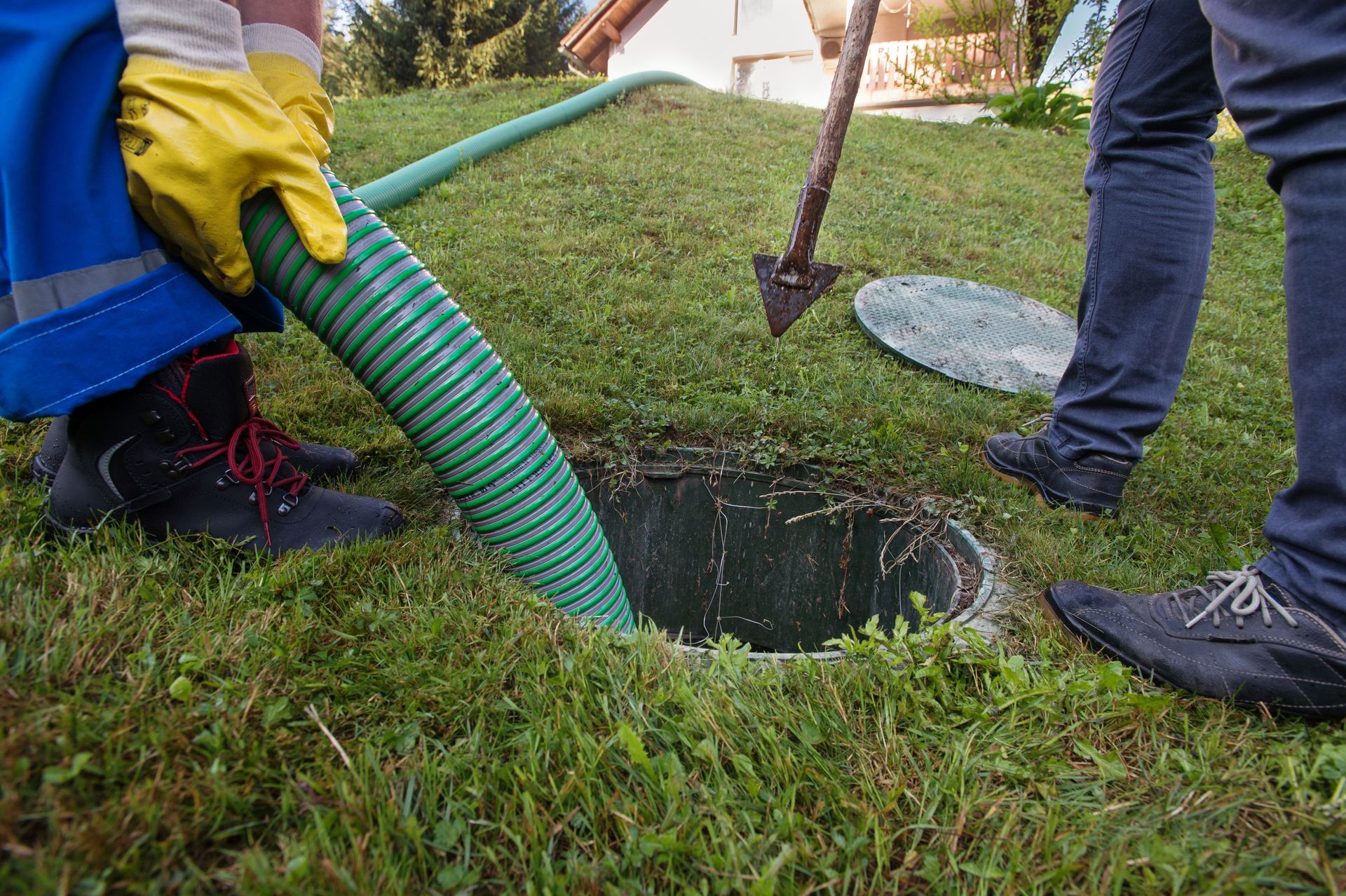
A functional waste system relies on a highly sophisticated natural breakdown process occurring entirely out of sight beneath your lawn. When wastewater leaves your drains, it settles into distinct layers inside a concrete or polyethylene tank, where heavy solids sink to the bottom, and lighter oils float to the top. Natural bacteria live inside the tank to continuously decompose the organic matter, preparing the liquid effluent to safely flow out into your designated drain field. When these natural biological processes are disrupted by harsh materials or excessive water volume, the system can quickly become overwhelmed. Staying mindful of this invisible process helps you understand why protecting your tank is so essential for avoiding an emergency septic repair visit.
Monitoring Daily Indoor Water Volume Consumption
The total volume of water your household generates each day directly impacts the hydraulic load placed on your treatment infrastructure. When multiple major appliances run simultaneously, or when long showers happen back-to-back, a massive surge of water floods into the holding tank all at once. This rapid influx does not leave enough time for the solids to separate properly, which can force some sludge out into your delicate drain field pipes. Overwhelming the system with too much water is a primary cause of premature failure and structural clogging. Spreading out your water usage throughout the day allows the tank to process incoming waste at a manageable pace, keeping your infrastructure balanced and reducing the need for premature septic repair intervention.
Upgrading to Efficient Low Flow Plumbing Fixtures
Modern home improvements can play a significant role in reducing the daily physical strain placed on your private utility systems. Upgrading to water-efficient appliances, such as low-flow toilets, aerated showerheads, and smart washing machines, permanently lowers the baseline volume of wastewater your household creates. These small mechanical adjustments significantly reduce the risk of flooding your underground drainage zones during busy weekends or holidays. By permanently lowering the daily hydraulic load through efficient hardware, you give the helpful bacteria inside your tank ample time to break down organic matter efficiently. This proactive step safeguards your property investment, ensuring your infrastructure operates smoothly without requiring constant emergency septic repair adjustments.
Adhering to Mandatory Regulatory Inspection Timelines
While daily household habits form the foundation of proper system care, consistent professional oversight remains an absolute necessity for compliance and structural safety. According to the United States Environmental Protection Agency, the average household should have its septic system inspected at least once every three years. Following this national standard allows licensed technicians to measure your sludge layers, test structural integrity, and catch microscopic tank fractures long before they cause a major backup. Skipping these crucial checks often leads to hidden structural failures that become incredibly expensive to remediate. Incorporating this regular testing into your long-term property management plan minimizes the likelihood of a catastrophic failure, keeping your home compliant and reducing the frequency of extensive septic repair work.
Eliminating Harmful Household Chemicals from Your Drains
The micro-organisms thriving inside your holding tank are highly sensitive to chemical changes, meaning certain cleaning products can act as a literal poison to your system. Pouring harsh chemical drain openers, heavy solvents, excess chlorine bleach, or synthetic paints down your sink can instantly wipe out the beneficial bacterial colonies. Without these bacteria to decompose the incoming waste, solids will accumulate rapidly, leading to major blockages and severe line blockages. Choosing alternative cleaning solutions that are explicitly marked as safe for underground infrastructure preserves this vital biological balance. Protecting your internal bacterial ecosystem is a simple way to keep your system clean, healthy, and entirely free from avoidable septic repair emergencies.
Protecting the Physical Footprint of the Drain Field Zone
The open area of land situated directly above your buried drain field requires expert care and protection to maintain its natural soil absorption capabilities. Driving heavy vehicles, parking trailers, or placing heavy above-ground pools over this zone can severely compact the soil and crush the underlying perforated pipes. Furthermore, planting trees or large shrubs nearby can introduce aggressive root systems that actively seek out moisture, puncturing and blocking the distribution lines. The ground above this critical zone should be planted exclusively with shallow-rooted lawn grass and kept entirely free from heavy structural weight. Preserving this space ensures that treated effluent can always filter naturally through the soil, preventing surface pooling and avoiding complex septic repair operations.
Managing Landscaping Runoff and Surface Water Diversion
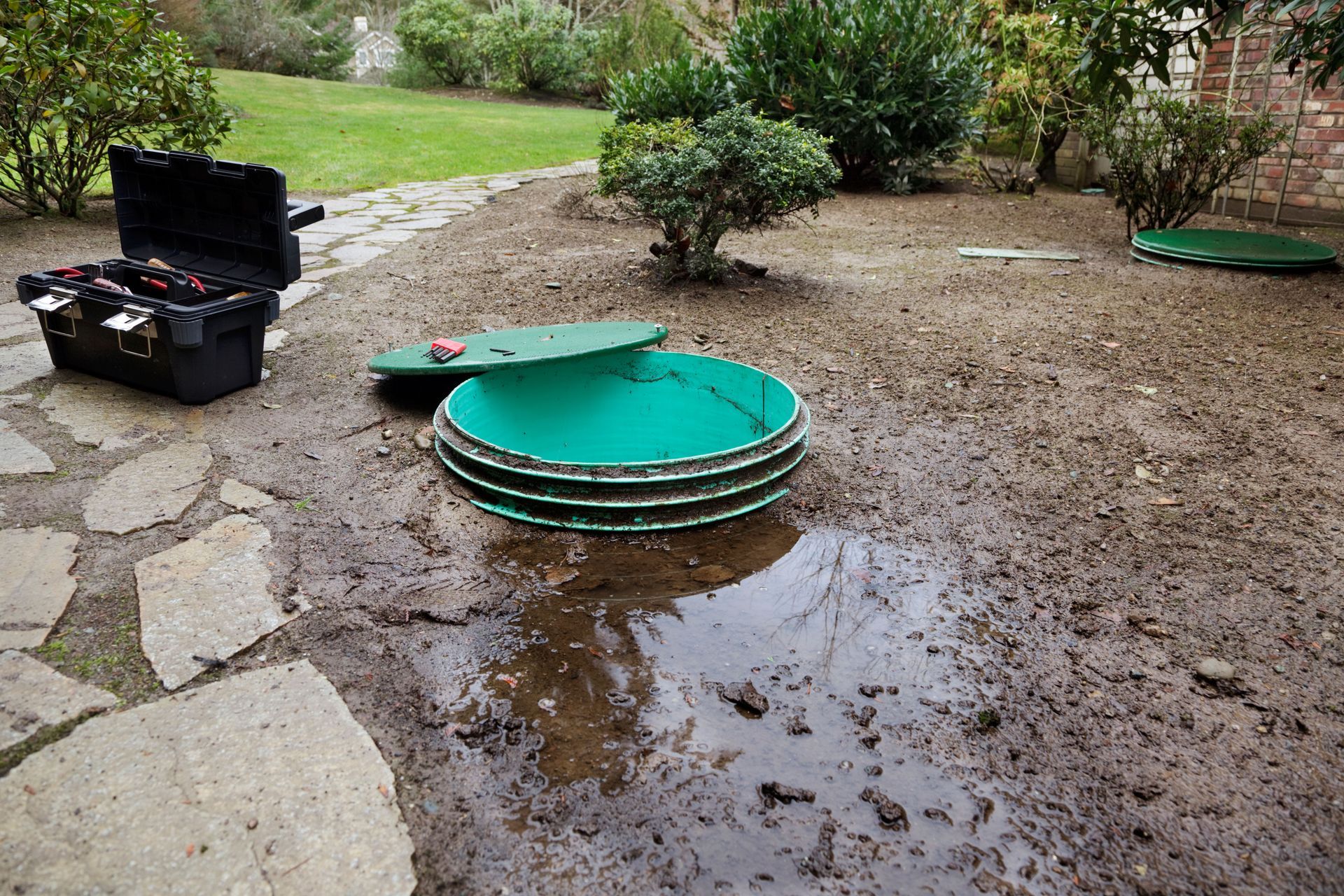
Heavy rainfall and unmanaged surface water runoff can easily saturate the ground surrounding your underground utilities, completely halting the natural filtration process. When roof gutters, downspouts, and patio drainage lines direct large volumes of rainwater straight toward your drain field, the soil becomes waterlogged. A saturated drain field cannot absorb any additional household effluent, which can cause wastewater to pool on your lawn or back up into your basement. Designing your landscape with intentional slopes that direct rainwater entirely away from your tank area protects your system during heavy seasonal storms. Keeping the surrounding soil unsaturated ensures your system retains full processing capacity, reducing the risk of weather-related septic repair dilemmas.
Recognizing the Early Warning Signs of System Distress
Being highly attentive to how your plumbing behaves on a daily basis allows you to spot minor operational glitches before they transform into full-scale household emergencies. Early indicators of underlying structural strain include slow-draining sinks, strange gurgling sounds inside your walls, or persistent foul odors coming from your yard. Additionally, noticing patches of unusually bright, lush grass directly over your area of absorption often points to a subsurface overflow issue. Ignoring these subtle warning flags guarantees that the underlying damage will worsen, potentially leading to total system failure. Addressing these minor indicators early allows a technician to apply targeted solutions, preventing a complete plumbing shutdown and simplifying the necessary septic repair process.
Understanding the Financial Advantage of Choosing Certified Professionals
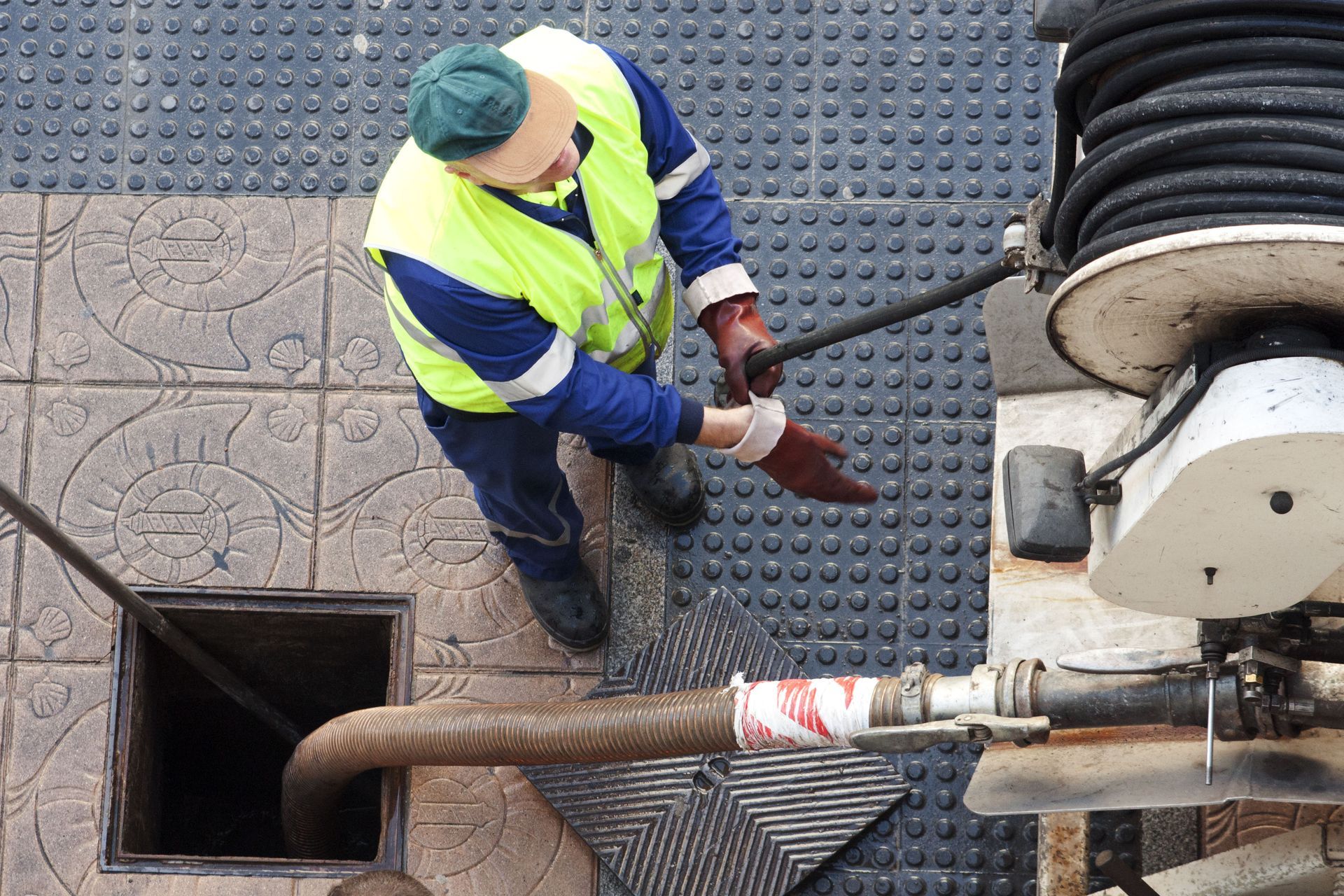
Private waste utilities utilize complex mechanical components, sensitive pressure lines, and strict ecological standards that require professional industry tools to diagnose accurately. Attempting to diagnose these underground issues without professional training can easily result in further structural damage or personal health hazards. Certified technicians bring advanced diagnostic cameras, electronic locating gear, and years of experience to every single service call, ensuring the root cause is solved correctly. Relying on professional expertise ensures that all modifications comply fully with local environmental health codes and preserve your property value. Trusting your infrastructure to skilled providers guarantees safe, legal, and highly reliable performance for your entire property over the lifespan of your home.
Keeping your underground infrastructure operating at a peak performance level requires a balanced blend of smart daily habits and disciplined professional septic repair services. From managing your daily water usage and limiting chemical waste to protecting the open lawn above your drain field, every action you take directly shapes the longevity of your property. Adhering to regular inspection timelines gives you the data needed to keep your system safe, healthy, and highly efficient for decades to come. Leaving the complex engineering, structural diagnostics, and deep cleaning to certified experts ensures that your private utilities remain a dependable asset rather than a source of stress. If you are ready to ensure your system is in perfect working order, contact Aaron-Andrews Septic Tank Service today to schedule your next comprehensive inspection and secure total peace of mind for your home.