March 4, 2026
Preparing your property for a local septic repair doesn’t have to be a daunting task, but a little bit of legwork before the technicians arrive goes a long way. Whether you’ve noticed a soggy patch of grass in the backyard or a slow drain that’s testing your patience, understanding how to get your home ready is crucial for a smooth experience. This guide is designed to help you navigate the process, ensuring efficient operations and minimizing potential disruptions to your daily life. It’s all about being proactive so that when the service truck pulls up, both you and the experts are ready to hit the ground running.
Understanding the Basics and Your Local Septic Repair Needs
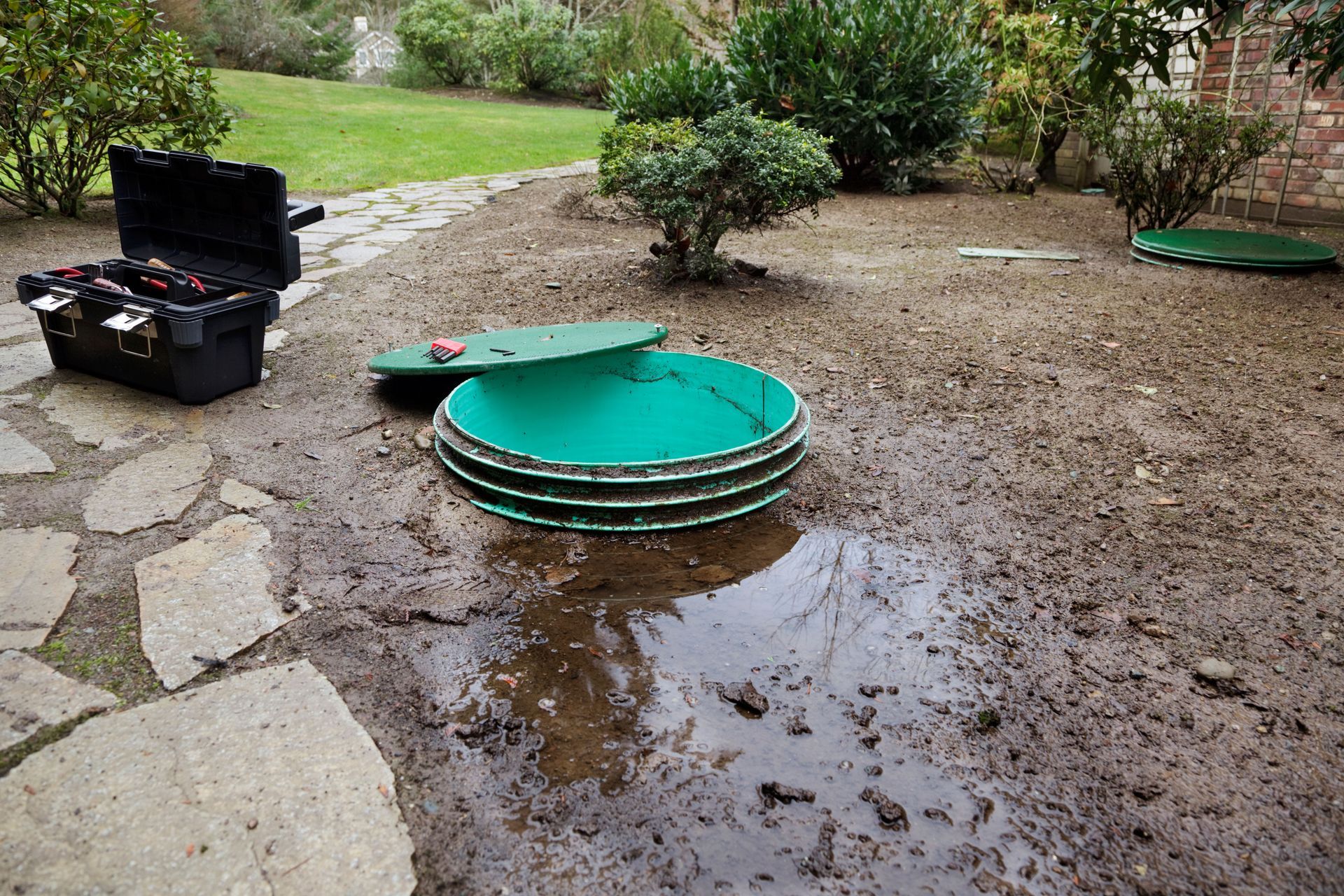
Before the crew pulls into your driveway, it helps to know exactly what they are working with. Your septic system is a complex network of components—the tank, the pipes, and the drain field—each playing a vital role in managing household waste. According to This Old House, septic tanks can typically hold more than 1,000 gallons of waste, acting as a massive settling chamber for everything that goes down your drains. When you schedule a local septic repair, knowing the approximate location of these components saves the technicians time and helps prevent accidental damage to your landscaping. Identifying signs of trouble early, such as unpleasant odors or unusually lush grass over the drain field, can also help you describe the problem more accurately to the pros. Taking a moment to dig up old maintenance records or maps of your system provides a great head start for any repair team, as it allows them to see the history of your specific infrastructure.
Assessing the Scope of Your Local Septic Repair Work
Every repair is different, ranging from a simple pipe replacement to a full-scale system overhaul. Before the heavy lifting begins, a professional will usually conduct a preliminary inspection to determine the true extent of the damage. This might involve using specialized cameras to look inside the lines or performing soil tests around the drain field to check for saturation levels. Understanding the scope is essential because it dictates the timeline and the budget for your local septic repair. If the issue is caught early, you might only be looking at a few hours of work; however, systemic failures can take several days to rectify. By getting a clear diagnosis upfront, you can plan for household water restrictions and avoid the stress of unexpected costs during the project. It’s always better to know the "why" behind the fix before the shovels hit the dirt, ensuring you aren't surprised by the final invoice.
Preparing the Physical Property for Local Septic Repair Access
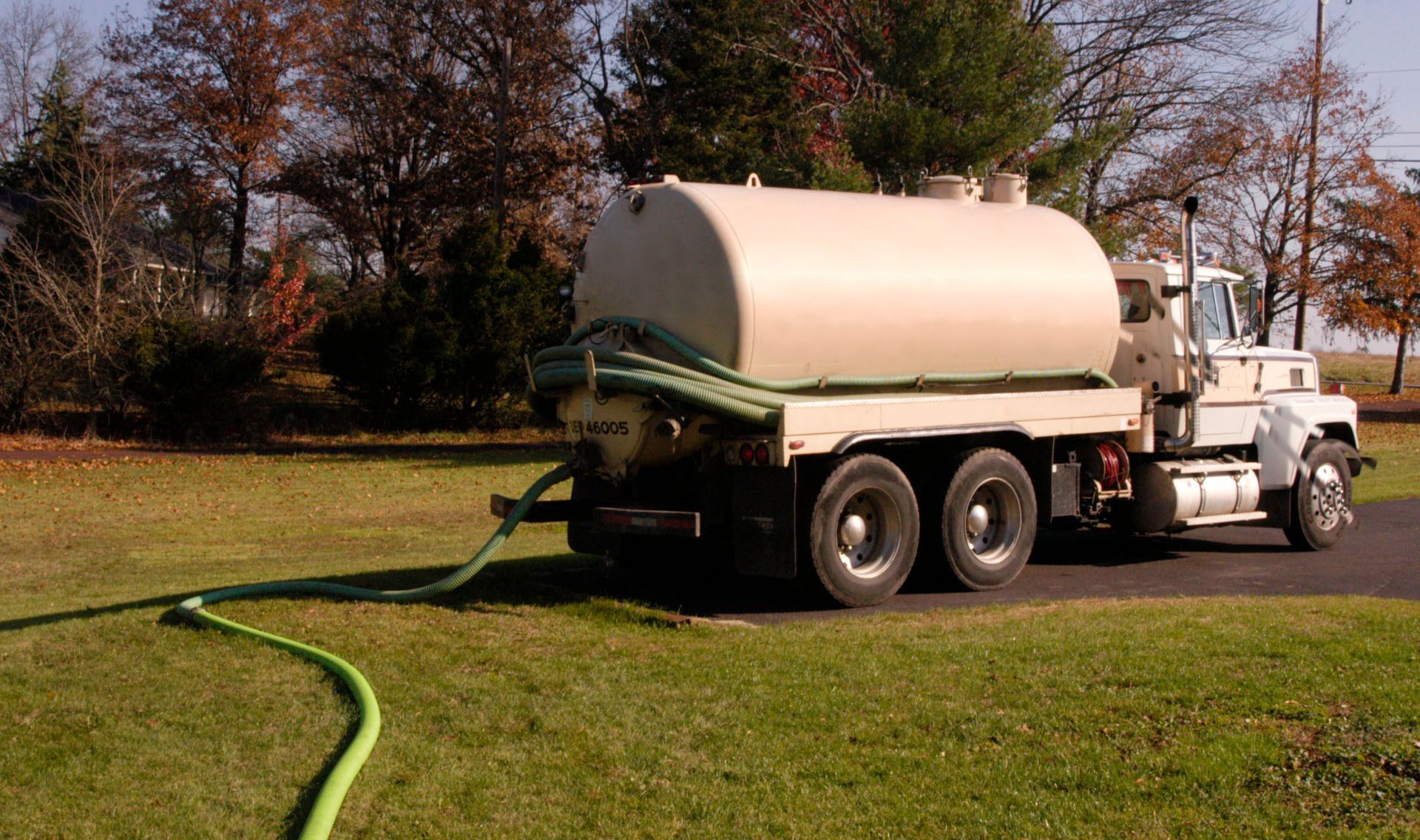
Once you know what needs to be fixed, it’s time to clear the way for the experts. Septic repair often requires heavy machinery, such as backhoes or vacuum trucks, which need a clear and stable path to the work site. You’ll want to identify the "repair zone" and remove any obstacles like garden furniture, children's toys, or portable fire pits. It is also a good idea to trim back any overgrown bushes or low-hanging tree branches that might snag on the equipment. If your repair involves digging near the driveway or a patio, make sure those areas are clear of vehicles and that there is enough "swing room" for an excavator. A well-prepared site not only speeds up the local septic repair process but also ensures the safety of the workers and protects your ornamental features from accidental bumps or scrapes. Think of it as setting the stage for a performance; the clearer the stage, the better the show.
Navigating Regulations and Neighborly Communication During Local Septic Repair
Septic systems are strictly regulated to protect the environment and public health, so it’s important to ensure everything is above board. This often means checking with your municipality to see if specific permits are required before the digging starts. Beyond the legalities, a little neighborly courtesy goes a long way. Since repair work can be noisy and involves large trucks, letting your neighbors know the schedule can prevent misunderstandings and help them plan their own outdoor activities or keep their pets inside. Additionally, you should coordinate with utility companies to have any underground lines—like gas, water, or electricity—marked clearly with flags or paint. This prevents dangerous accidents and ensures that your local septic repair doesn't inadvertently knock out the neighborhood’s Wi-Fi or power. A quick text or a knock on a neighbor's door can save a lot of headaches later on.
Choosing the Right Team for Your Local Septic Repair Project
The success of your repair largely depends on the hands doing the work, so choosing a reputable service provider is paramount. You want to look for a company that is not only licensed and insured but also has deep experience with your specific type of system, whether it's a traditional gravity-fed setup or a more modern aerobic unit. Reading online reviews and asking for local testimonials can give you a feel for their reliability, punctuality, and customer service. It is always a smart move to obtain multiple estimates to compare pricing and service strategies, as different companies may suggest different approaches to the same problem. A trustworthy provider will be transparent about the costs and will take the time to explain exactly why a specific fix is necessary. When you hire the right team for a local septic repair, you aren't just paying for a fix; you're buying peace of mind that the job will be done right the first time.
Implementing Post-Repair Maintenance and Long-Term Care
The work doesn't stop once the holes are filled back in and the grass is re-seeded. After a repair, it is vital to inspect the work with your technician to understand any new features or upgrades that were installed. This is also the perfect time to establish a rigorous maintenance plan to prevent future issues from cropping up. Experts generally recommend having your tank pumped every three to five years, depending on the size of your household and your overall water usage. Educating everyone in your home about "septic friendly" habits—like not flushing grease, wet wipes, or harsh chemicals—is the best way to protect your new investment. Keeping a detailed folder of the repair receipts, photos of the open trenches, and diagrams will be incredibly helpful if you ever decide to sell your home or if you need service again years down the road. Remember, a little prevention is worth a lot of repair.
Ensuring Safety and Minimizing Household Disruptions
During the actual repair process, safety should be the top priority for both the crew and your family. If there are open trenches or heavy machinery in use, keep children and pets indoors or well away from the work zone to avoid any accidents. You should also prepare for temporary disruptions to your water usage; since the system will be "offline" during parts of the repair, you may need to limit showers, laundry, and dishwashing for a few hours or even a full day. Planning ahead by filling a few jugs of water for drinking or arranging to spend the afternoon out of the house can make the process much more bearable for everyone involved. Communication with the lead technician throughout the day can help you know exactly when it’s safe to flush again. By taking these proactive steps, you ensure that the project stays on track and that everyone stays safe until the system is back in perfect working order.
Taking the time to properly prepare your property makes a world of difference in how quickly and effectively your septic issues are resolved. By understanding your system's layout, clearing the work area, and communicating clearly with both your neighbors and your repair team, you set the foundation for a successful project. A little preparation today prevents a major headache tomorrow, allowing you to get back to your normal routine with a system that functions exactly as it should. For professional and dependable service that treats your property with the care it deserves, reach out to Aaron-Andrews Septic Tank Service.